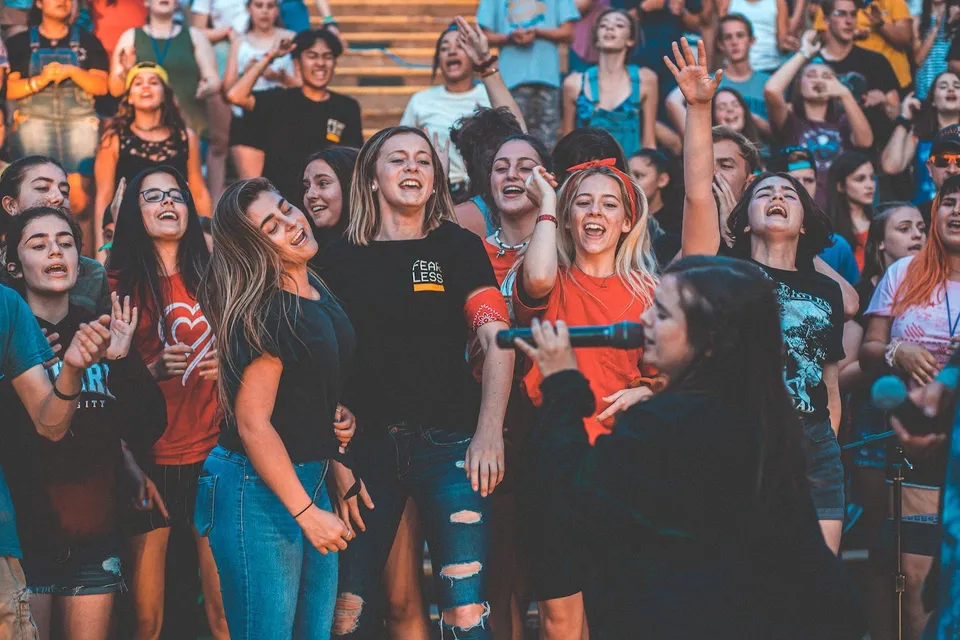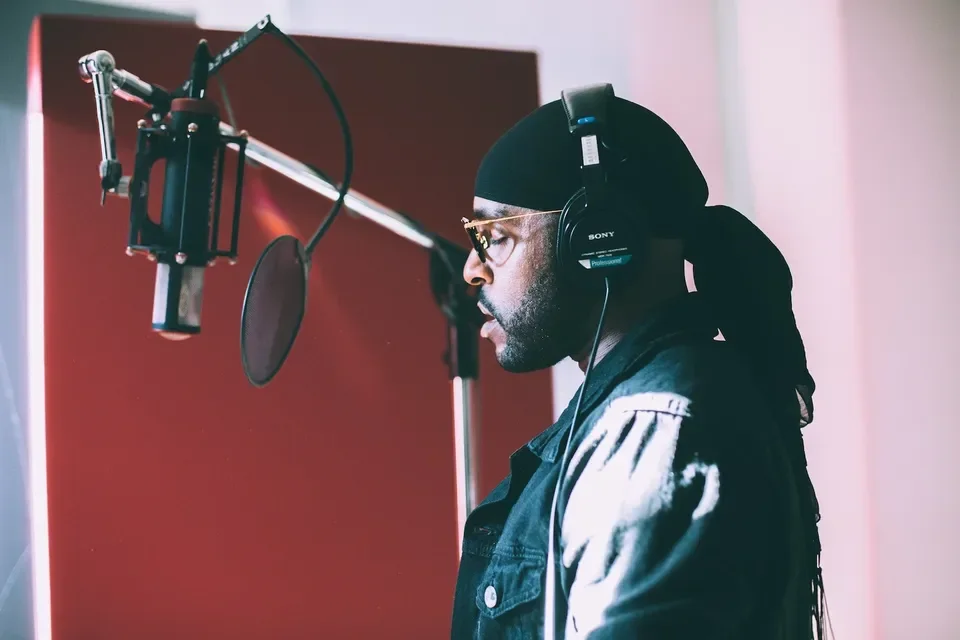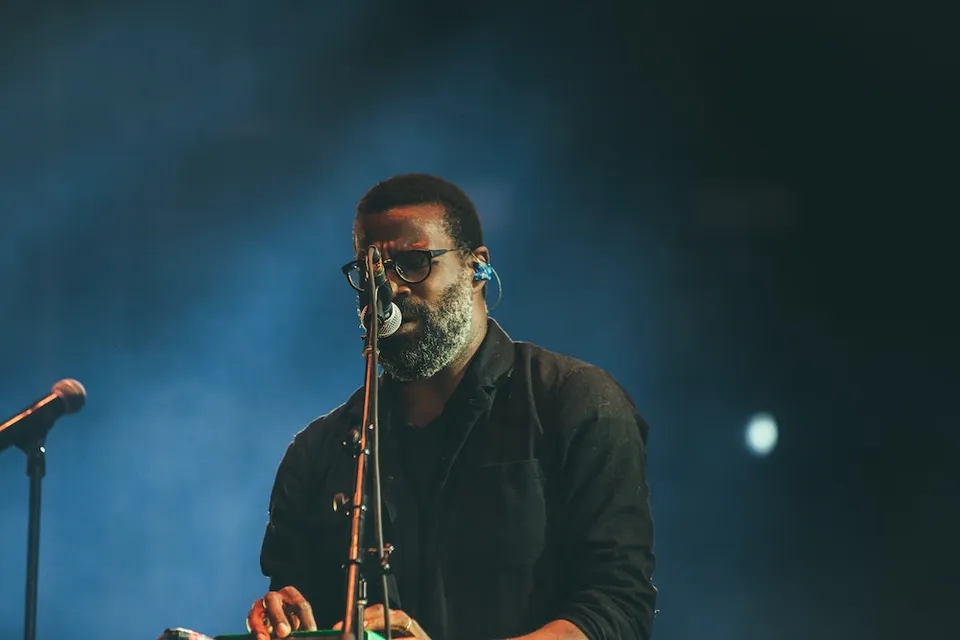
A performance has a beginning and an ending beyond the song itself. Preparing those small moments can make the experience easier to follow for you and the audience.
Choose a manageable first performance
Begin with a song you know rather than adding unfamiliar material at the last minute. Decide whether your immediate goal is to sing for a trusted friend, rehearse a complete piece or prepare for an organised event. These are different steps. You can work on one without committing to a public appearance. Our song-choice guide offers a starting point for selecting material.
Rehearse the opening and ending
Know how long the introduction lasts and what you will listen for before the first word. Practise the entrance separately, including the silence before it. At the end, decide how long the final note and accompaniment continue. Give yourself a moment before speaking or moving away. Repeating these transitions can be more useful than singing the whole piece again without noticing them.
Agree the accompaniment
If you use a backing track, check the key, version and ending before rehearsal. Name the file clearly and ask the organiser which format and connection they need. If another musician accompanies you, agree the tempo, entrance cue and how you will recover after a missed entry. Avoid assuming that a recording, live pianist and band will all follow the same arrangement.
Plan the practical details
Ask about the arrival time, soundcheck, microphone, set length and any age or supervision rules. Know who will start a track and where you will stand. Keep a simple set list and any essential notes together. These questions help you prepare for the particular event; they are not a promise that every venue supplies equipment or a soundcheck.
Review one useful detail afterwards
Choose a moment that went as planned and one thing to rehearse next. A missed word does not describe the whole performance. If a recording was made with the necessary permission, use a specific listening question rather than judging every note. Read listening back to your singing for a practical approach.
Connect preparation with your lessons
Lydia’s tuition can include microphone technique and performance work. Optional under-18 showcases are part of the original teaching history; ask about current opportunities rather than assuming a scheduled event. You can also learn for enjoyment without performing publicly. Explore how lessons work or ask Lydia about your goal.